Members
94The best WordPress membership and user role editor plugin. User Roles & Capabilities editor helps you rest...
Free
300k+ installs 4.9★ (1,274)
Highlights prominent HTML elements in the WYSIWYG editor, to help Editors see what they're editing. Sort of a WYSIWYM (the M is for mean).

AddFunc WYSIWYG Helper is a WordPress plugin designed to enhance the default WYSIWYG editor (Tiny MCE) by highlighting key HTML elements. It allows editors to see what they are editing more clearly through the use of CSS, creating a combination of WYSIWYG and WYSIWYM functionality.
The plugin highlights various elements such as paragraphs, divs, and lists with coloured borders and labels, helping maintain clean code. Each user can customise their settings individually, enabling or disabling the highlighting options in their profile settings.
Best for: This plugin is suitable for editors who need clearer visibility of HTML elements while editing content in WordPress.
What it does well
Where it falls short
AddFunc WYSIWYG Helper offers useful visual aids for content editing, though its age may affect compatibility with the latest WordPress updates.
AddFunc's own description of AddFunc WYSIWYG Helper, lightly tidied.
AddFunc WYSIWYG Helper is a lightweight plugin that uses CSS to highlight prominent HTML elements in the default WYSIWYG editor (Tiny MCE), to help Editors see what they’re editing. This in effect creates a sort of combination WYSIWYG/WYSIWYM (What You See Is What You Mean) combination. With the WYSIWYM option turned on in your user profile, the following elements are highlighted with a colored border and label:
*Span and code elements are highlighted without labels. For span elements, this is to help make them more prominent, so they are easy to spot. This can help Editors keep the code clean, as they can see where they need to remove unwanted styling using the style eraser button. For code elements, we do this because WordPress apparently always wraps these within another element, treating it as inline, rather than a block. The labels can only be workable on block elements.
Your theme can still apply an editor-style.css stylesheet. In most cases, the WYSIWYG will still reflect how the content will look on the front end of the live website.
AddFunc WYSIWYG Helper also provides an option to cancel out certain default styles in the WYSIWYG, such as the caption box/border.
Unlike it’s predecessor, Average WYSIWYG Helper, these settings are not on a universal options page that applies to all users. Each user can enable/disable these options on his/her user profile settings page under the heading “WYSIWYG Helper”.
Note: It is suggested that Editor’s using the WYSIWYM use a browser that supports CSS3 for best results.
Other plugins for managing users.
The best WordPress membership and user role editor plugin. User Roles & Capabilities editor helps you rest...

User Role Editor WordPress plugin makes user roles and capabilities changing easy. Edit/add/delete WordPress u...
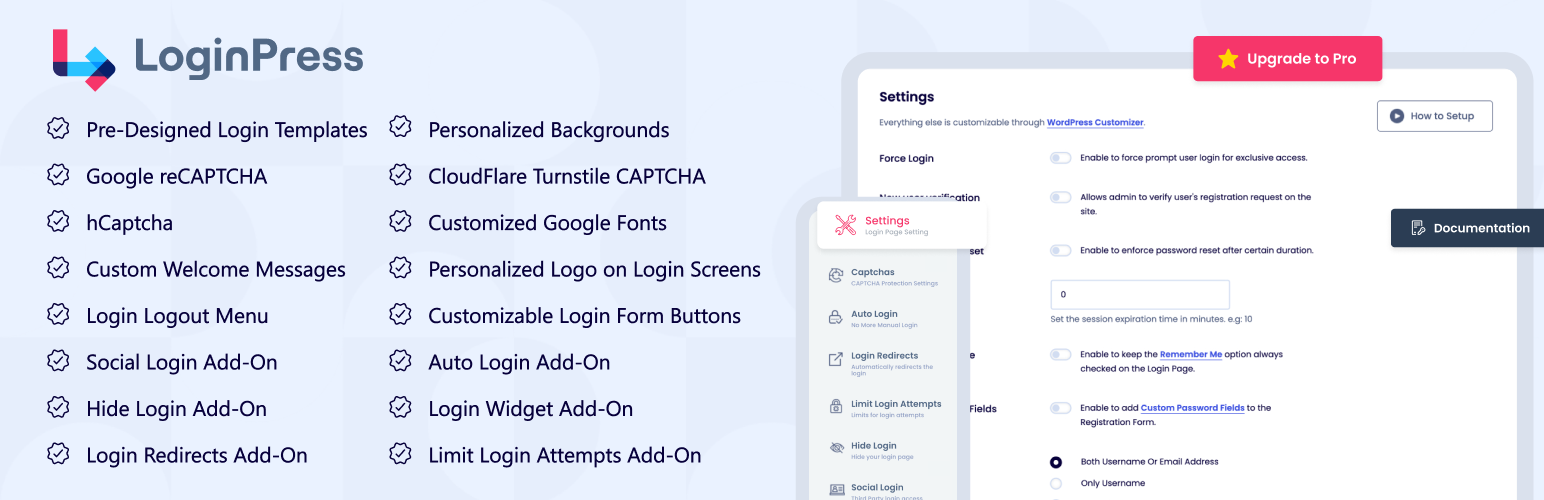
LoginPress is a Custom Login Page Customizer plugin allows you to easily customize the layout of login, admin...

Build membership sites with tiered plans, content restriction, drag-&-drop custom registration & login...
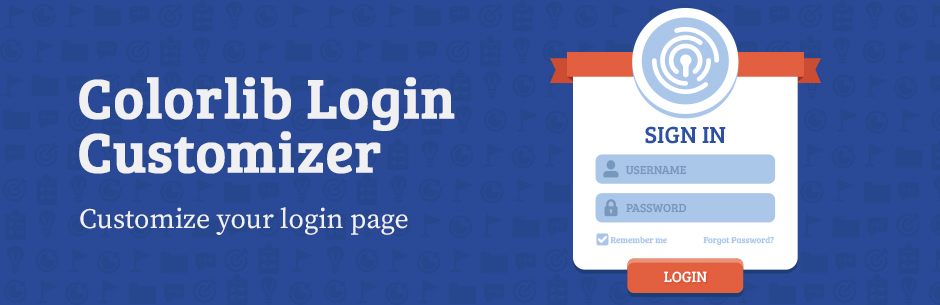
Customize your WordPress login page with live preview. Change logo, background, colors, and form styling witho...
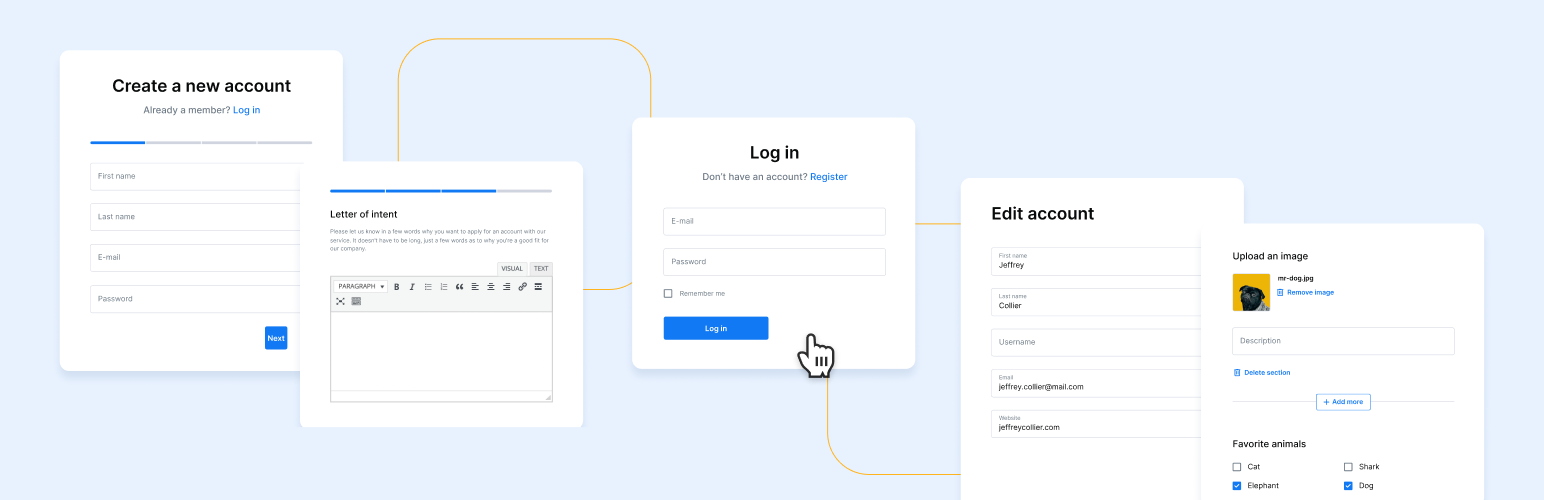
Powerful user profile plugin to create front-end user registration forms, login & user profile forms. Incl...