WPCode
93Easily add code snippets in WordPress. Insert header & footer scripts, add PHP code snippets with conditio...
Free
3M+ installs 4.9★ (1,873)
This plugin makes it possible to override php settings.

Custom PHP Settings is a WordPress plugin that allows you to modify PHP settings for your WordPress installation. It achieves this by altering either the .htaccess file or the .user.ini file, depending on how PHP is configured on your server.
This plugin is suitable for users who need to adjust PHP settings directly from the WordPress dashboard, particularly developers or site administrators who require fine-tuning of their server's PHP configuration.
Best for: This plugin is best for developers and site administrators managing PHP settings on their WordPress sites.
What it does well
Where it falls short
Custom PHP Settings provides a straightforward way to manage PHP configurations, though it requires some server permissions and understanding of PHP settings.
cyclonecode's own description of Custom PHP Settings, lightly tidied.
This plugin can be used to customize php settings for you WordPress installation.
The plugin will modify either the .htaccess file or .user.ini file in order to change the current php settings directly from within the settings page.
Since the configuration file needs to be modified this file must be writable for this plugin to work as expected.
When PHP is running as an Apache module the .htaccess file will be used to set customized settings; make sure so that this file exists and is writable by the webserver.
If instead PHP is running in CGI/Fast-CGI mode then a custom INI file will be used. The name of this file depends on the value of user_ini.filename in the php configuration, by default it is .user.ini.
You can check the name of you custom INI file in the PHP Information table. The custom INI file should be placed under the root folder and most be writable by the webserver.
Notice that there is also a User INI file cache TTL value in the information table, this value tells how long the custom INI file will be cached before it gets reloaded.
For instance, if this value is set to 300 then any changes to your custom INI file will not be reflected for up to 5 minutes. The name for this setting in the php configuration is user_ini.cache_ttl.
One important thing is to make sure that your .user.ini file is blocked by your webserver. If you are running NGINX this can be done by adding:
location ~ /\.user\.ini {
  deny all;
}
to your server configuration. The same thing using Apache is done by adding the following to the configuration if not already done:
<Files .user.ini>
order allow,deny
deny from all
</Files>
The settings table will display all non-system php settings that can be customized by the plugin. All modified settings will be displayed in red in this table.
Some settings might be displayed in red because they are changed somewhere else, perhaps through a customized php.ini file, by WordPress itself, a plugin or in some other way.
For instance if you have enabled WP_DEBUG in your wp-config.php file the error_reporting setting will turn red.
If you have questions or perhaps some idea on things that should be added you can also try slack.
Other plugins for developer tooling.
Easily add code snippets in WordPress. Insert header & footer scripts, add PHP code snippets with conditio...

Easily add tracking code snippets, conversion pixels, or other scripts required by third party services for an...
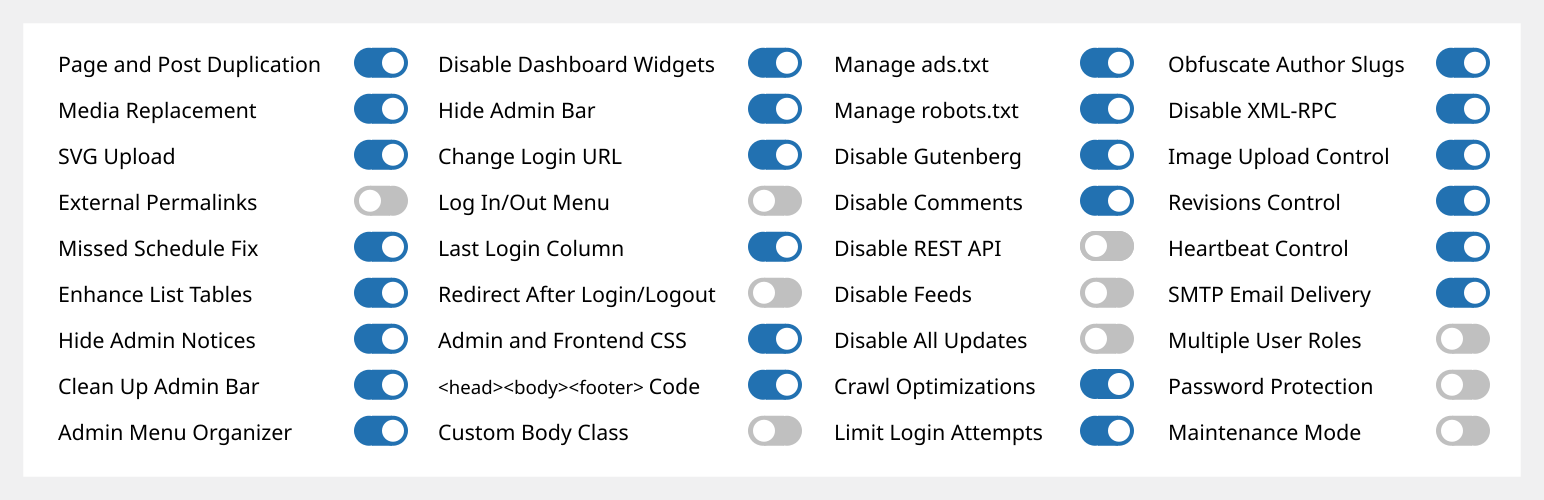
Duplicate post, post order, image resize, email via SMTP, admin menu editor, custom css / code, disable gutenb...
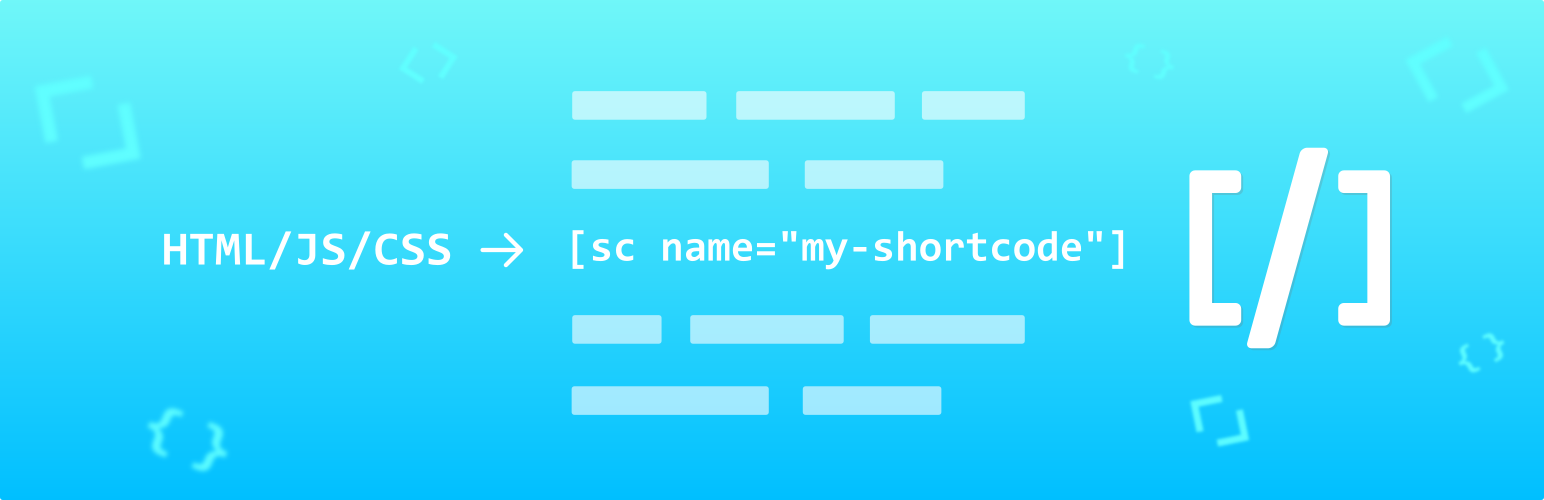
Create custom "Shortcodes" easily for HTML, JavaScript, CSS code snippets and use the shortcodes wit...
Add PHP code to your pages and posts easily using shortcodes.
An easy, clean, and simple way to enhance your site with code snippets.