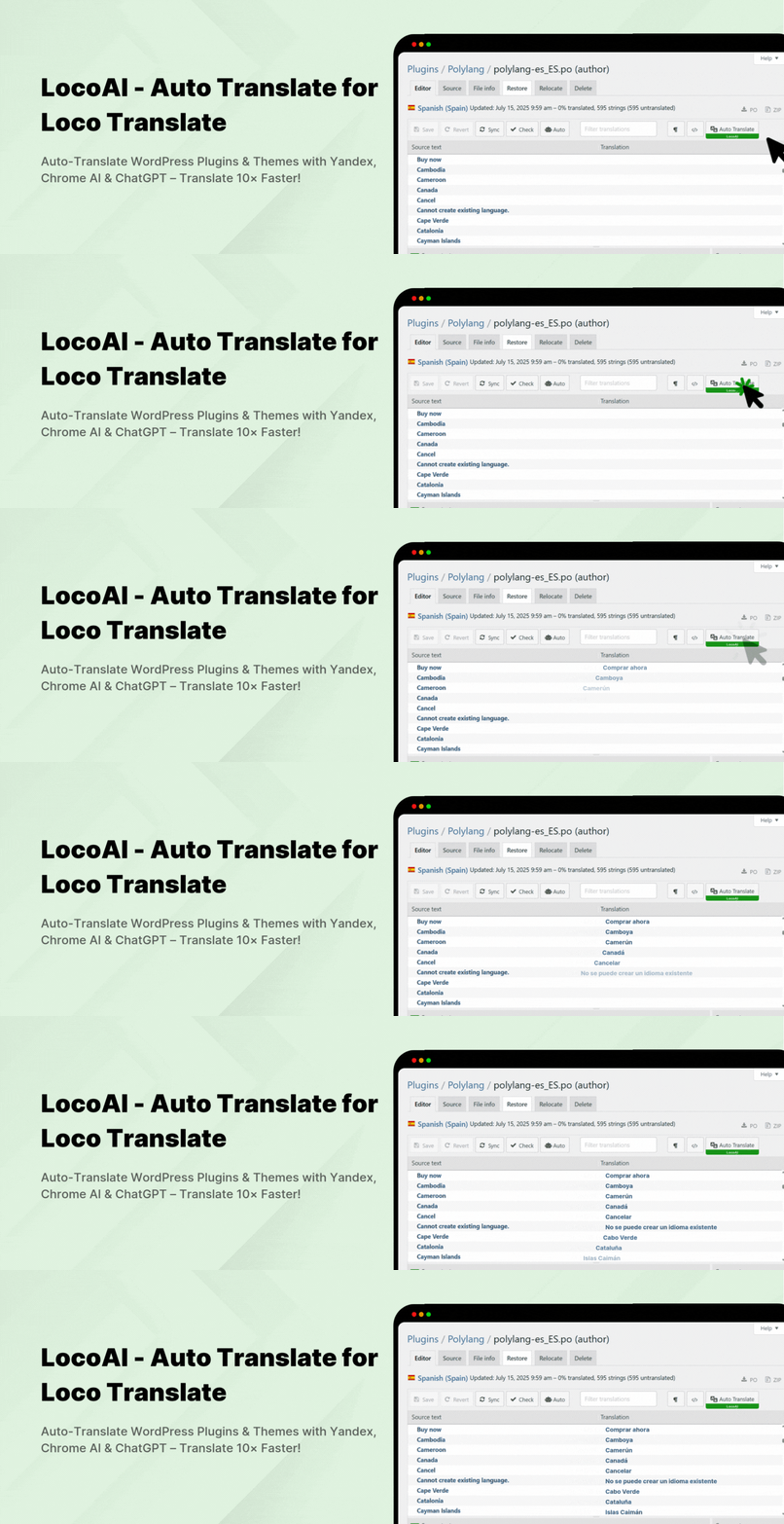
LocoAI
89LocoAI - Auto Translate For Loco Translate is a powerful tool for developers looking to quickly translate thei...
Free
70k+ installs 4.9★ (637)
The List Petfinder Pets plugin takes advantage of the Petfinder API to list your available pets on your website.

The List Petfinder Pets plugin allows you to display pets available for adoption from your shelter on your WordPress website using the Petfinder API. You need a Petfinder shelter ID and an API key to set it up. The plugin provides a shortcode to list pets and offers options to filter by breed, animal type, and other attributes.
This plugin is suitable for animal shelters and rescue organisations that want to showcase their adoptable pets online. It helps increase visibility for pets in need of homes and can be integrated easily into existing WordPress sites.
Best for: Animal shelters and rescue organisations looking to list adoptable pets on their website.
What it does well
Where it falls short
The List Petfinder Pets plugin is a straightforward solution for shelters wanting to promote their pets online, though it does require some initial setup and has limitations in sorting options.
bridgetwes's own description of List Petfinder Pets, lightly tidied.
Petfinder is a free site where shelters and rescues can post pets for adoption. The List Petfinder Pets plugin takes advantage of the Petfinder API to list your available pets on your website. All you need is your Petfinder shelter id and free Petfinder API v2.0 API key and secret.
The List Petfinder Pets plugin allows you to:
You can sign up to receive notices when this plugin is updated or other important changes here: (https://unboxinteractive.com/petfinder-plugin-email-list/)
[shelter_list] displays a list of pets from your shelter. You must enter your shelter ID, Petfinder v2.0 API key and secret on the List Petfinder Pets’ settings page for this shortcode to work. You may also need to edit your Petfinder settings to enable sharing your data with third parties. See Petfinder settings under Frequently Asked Questions below.
Optional attributes for shortcode are:
shelter_id – Allows you to list adoptable pets from a shelter different from the shelter id defined in your List Petfinder Pets Settings.
breed – If you wish to list only one breed on a page, or leave blank/don’t set to get all breeds. Note: adding ! before breed to exclude breeds was removed when plugin was updated to support Petfinder API v2.0 in version 1.0.13.
count – The maximum number of pets to return. Defaults to 75 and must be a number. Petfinder API v2.0 added ability to filter before retrieving results so you can set the count to the real number you want to list on the page now. Max returned is 100.
page – Which page of pets to return. If you have over 100 pets, or want to break up your pets into multiple pages, you can put the shortcode on multiple pages, each with a different page number. You’ll need to add a link to each page so your users can navigate between pages. NOTE: Don’t set ‘sort_by’ parameter when using page. Sorting only sorts the pets returned on the current page. Petfinder does not provide a way to sort by pet’s name. It can only sort by recent and distance in the initial call. I sort by name after the results are returned so it won’t work with paging.
animal – Type of animal. Value should be one of the following or blank/don’t set to get all: Dog, Cat, Rabbit, Small & Furry, Horse, Bird, Scales, Fins & Other, Barnyard.
include_info – Value should be set to “yes” or “no”; default is “yes”. If set to “yes”, Breeds, Spayed/Neutered, Up-to-date with routine shots, Housebroken, kid safe, cat safe, dog safe, special needs are displayed in list below photo thumbnails. Each list item has a different CSS class so you can hide any you do not want to show.
css_class – Set your own class name on div containing all pets. The default value is ‘pets’. This allows you to control the styles separately on different pages.
status – For backwards compatability values can be one of [A, H, P, X], and new values of [adoptable, adopted, found]. Petfinder API V1 used: ‘A’ = adoptable, ‘H’ = hold, ‘P’ = pending, ‘X’ = adopted/removed. Petfinder API V2 only accepts adoptable, adopted, and found, so values of H and P switch to adoptable now.
sort_by – Value can be: newest, last_updated or name. Value can also be set globally in Petfinder Settings.
age – Accepts values of: baby, young, adult, or senior. Can separate with commas to display pets that match more than one age group. If not set, will display pets from all age groups.
Note – parameter include_mixes was removed with Petfinder API v2.0 in plugin version 1.0.13
Note – parameter contact was removed with version 1.0.19.
Example:
[shelter_list breed=”Italian Greyhound”] – other breeds are not displayed
Example: [shelter_list count=20 page=1] and on another page [shelter_list count=20 page=2] – would list the first 20 pets on page with first shortcode, and the 2nd 20 pets on page with second shortcode.
Example using all attributes: [shelter_list shelter_id=”WI185″ breed=”Italian Greyhound” count=75 page=2 animal=”Dog” include_info=”no” css_class=”cats” status=”adoptable” sort_by=”newest” age=”baby”]
You can also list a single pet with the following shortcode
[get_pet pet_id=”numeric value”]
pet_id – Required. You can get this id from the pet’s Petfinder URL. URL will look like the following: https://www.petfinder.com/dog/nanook-45732995/mo/kansas-city/missouri-kansas-ig-rescue-mo306/ – 45732995 is the pet_id.
css_class – Set your own class name on div containing single pet. The default value is ‘pets’. This allows you to control the styles separately on different pages.
include_info – Value should be set to “yes” or “no”; default is “yes”. If set to “yes”, Breeds, Spayed/Neutered, Up-to-date with routine shots, Housebroken, kid safe, cat safe, dog safe, special needs are displayed in list below photo thumbnails. Each list item has a different CSS class so you can hide any you do not want to show.
Example using all attributes: [get_pet pet_id=”23367571″ include_info=”no” css_class=”cats”]
Other plugins for integrating services.
LocoAI - Auto Translate For Loco Translate is a powerful tool for developers looking to quickly translate thei...
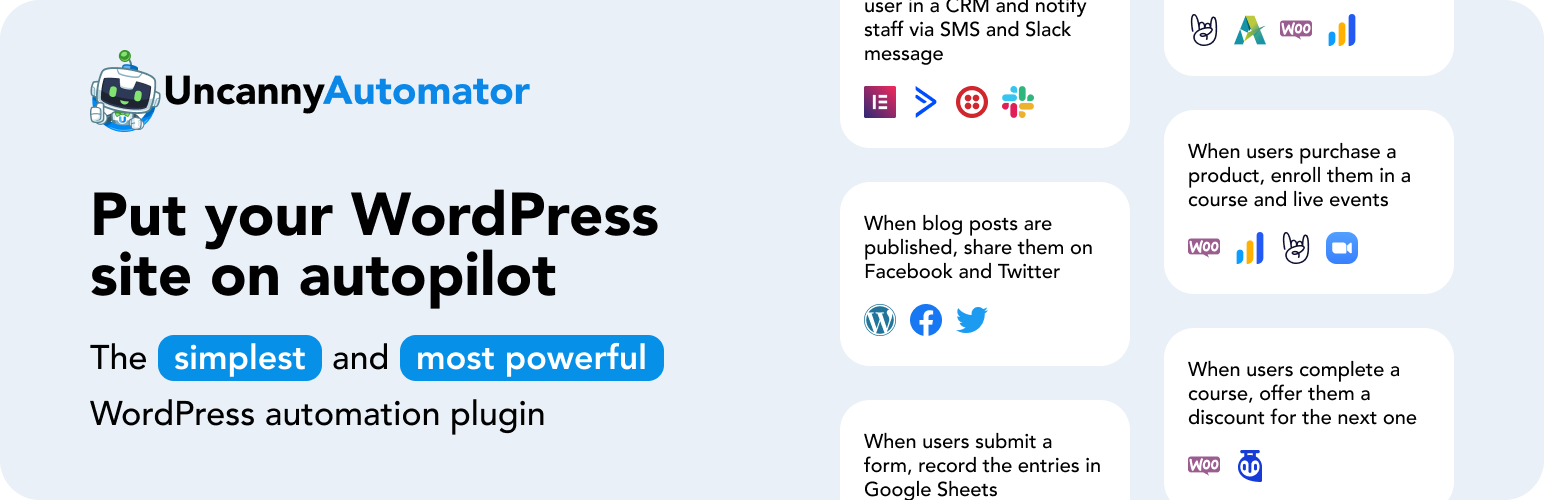
The AI + Automation plugin for WordPress. Automate workflows across all your plugins and apps, add an AI agent...

Create custom interactive maps with free Leaflet-based styles, no Google Maps API key, frontend marker submiss...
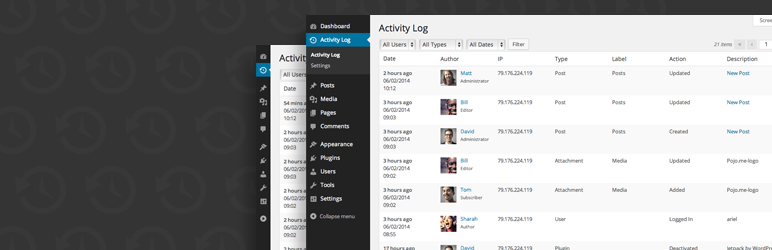
Monitor every change on your WordPress site — who did what, when, and where it came from — for a complete audi...

No API key required. Display Yelp and Google reviews for any business in a clean, customizable feed on your si...
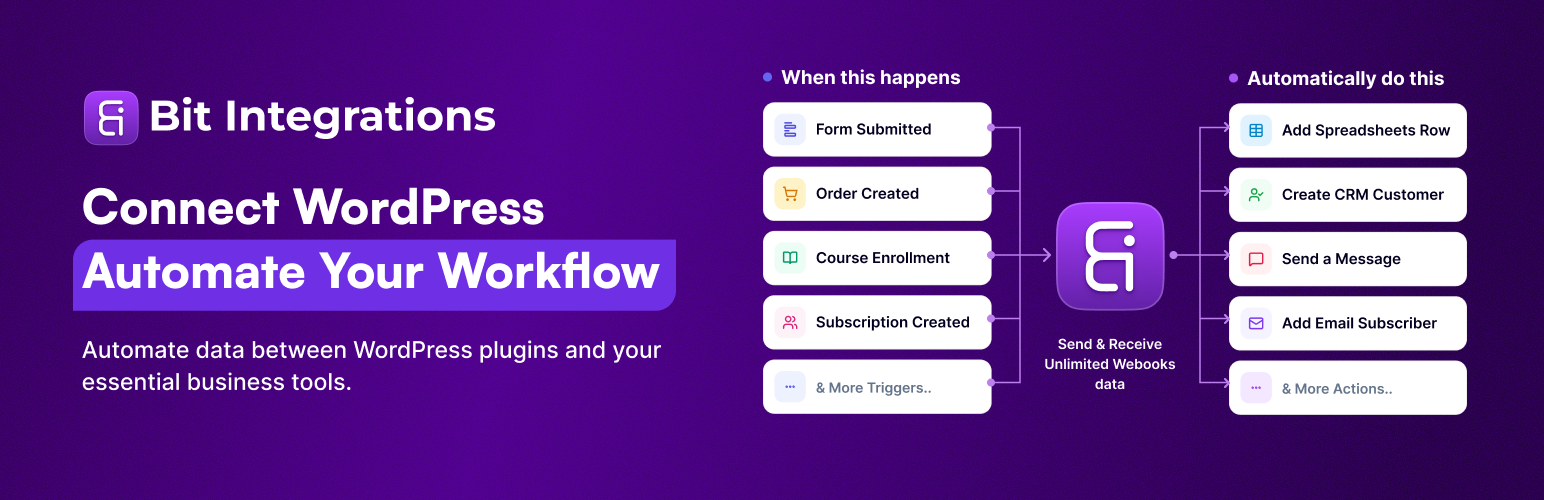
Contact Form, Google Sheet, MailChimp, Brevo, Webhook, Zoho CRM Automation and Integration plugin that Connect...