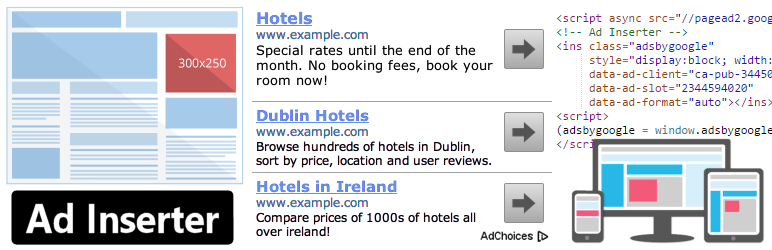
Ad Inserter
94Manage Google AdSense ads, banners, ad rotation, sticky widgets, AMP ads, ads.txt, tracking, header and footer...
Free
300k+ installs 4.9★ (2,428)
Custom Field Suite addon that auto label loops with the first textfield value

CFS Auto Loop Label is a WordPress plugin that serves as an addon for the Custom Field Suite. It renames the rows in a loop based on the first textfield value, enhancing the clarity of the post edit screen by avoiding generic 'Row name' labels.
This plugin is particularly useful for users who want to improve the organisation of custom fields in their posts, making it easier to identify each row at a glance. It defaults to the first textarea value if no textfield is available.
Best for: This plugin suits users of the Custom Field Suite looking to enhance their post editing experience.
What it does well
Where it falls short
CFS Auto Loop Label offers a straightforward solution for renaming rows in custom fields, but its limited testing and lack of detailed features may be a consideration for potential users.
Felipe Elia's own description of CFS Auto Loop Label, lightly tidied.
CFS Auto Loop Label is a Custom Field Suite addon that takes the first textfield value of each loop and rename it’s row. It’s very useful when you don’t want to have just a list of “Row name” labels in the post edit screen. If no textfield is find, it takes the first textarea value.
You can contribute to the source code in the GitHub page.
Other plugins for custom content structures.
Manage Google AdSense ads, banners, ad rotation, sticky widgets, AMP ads, ads.txt, tracking, header and footer...
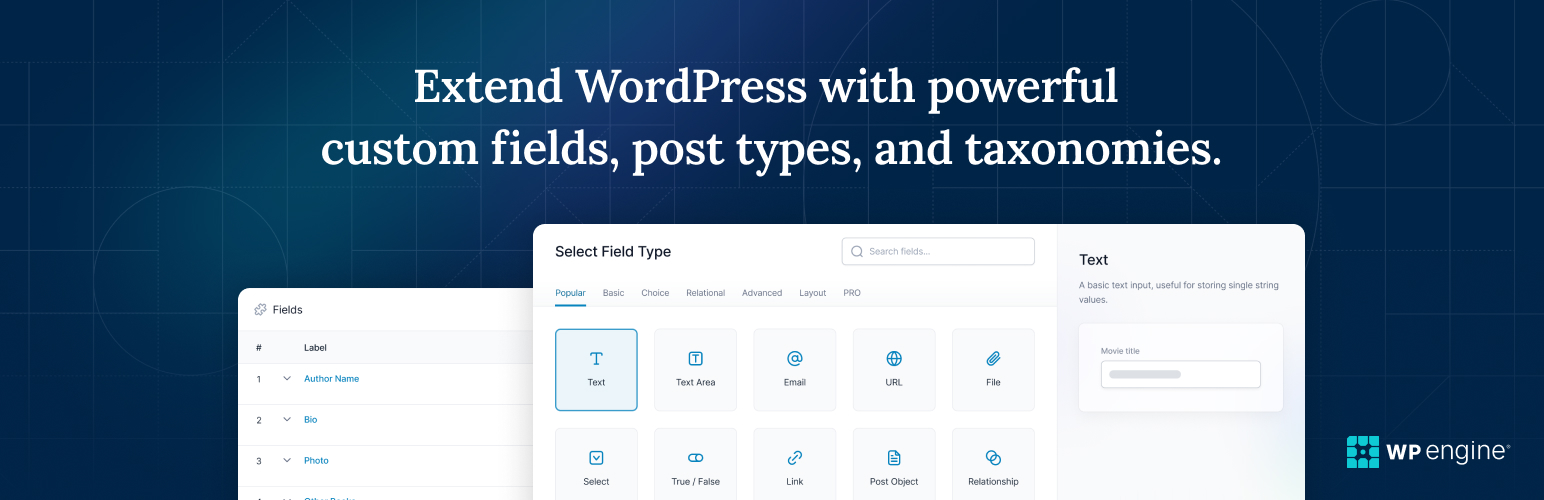
ACF helps customize WordPress with powerful, professional and intuitive fields. Proudly powering over 2 millio...
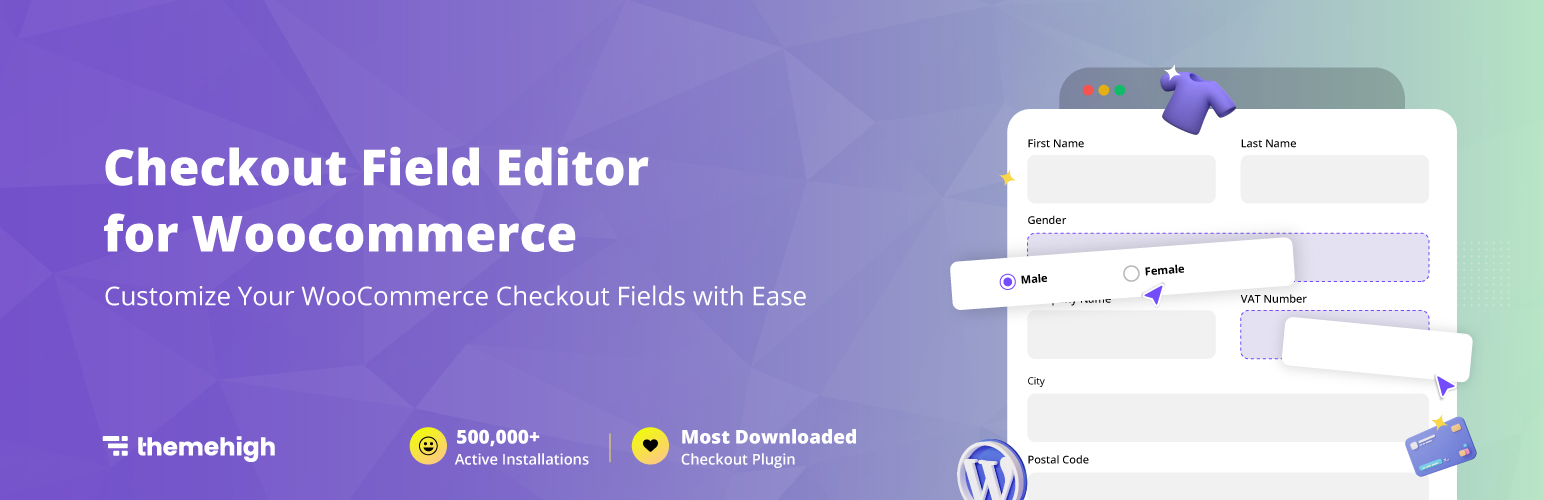
Checkout Field Editor (Checkout Manager) for WooCommerce – The best WooCommerce checkout manager plugin to man...

Easily reorder posts, pages, custom post types, and taxonomies with intuitive drag-and-drop sorting in the Wor...

The #1 user-rated activity log plugin for event logging, activity monitoring and change tracking.
Admin UI for creating custom content types like post types and taxonomies